Getting Your Tortoise Eating After Hibernation
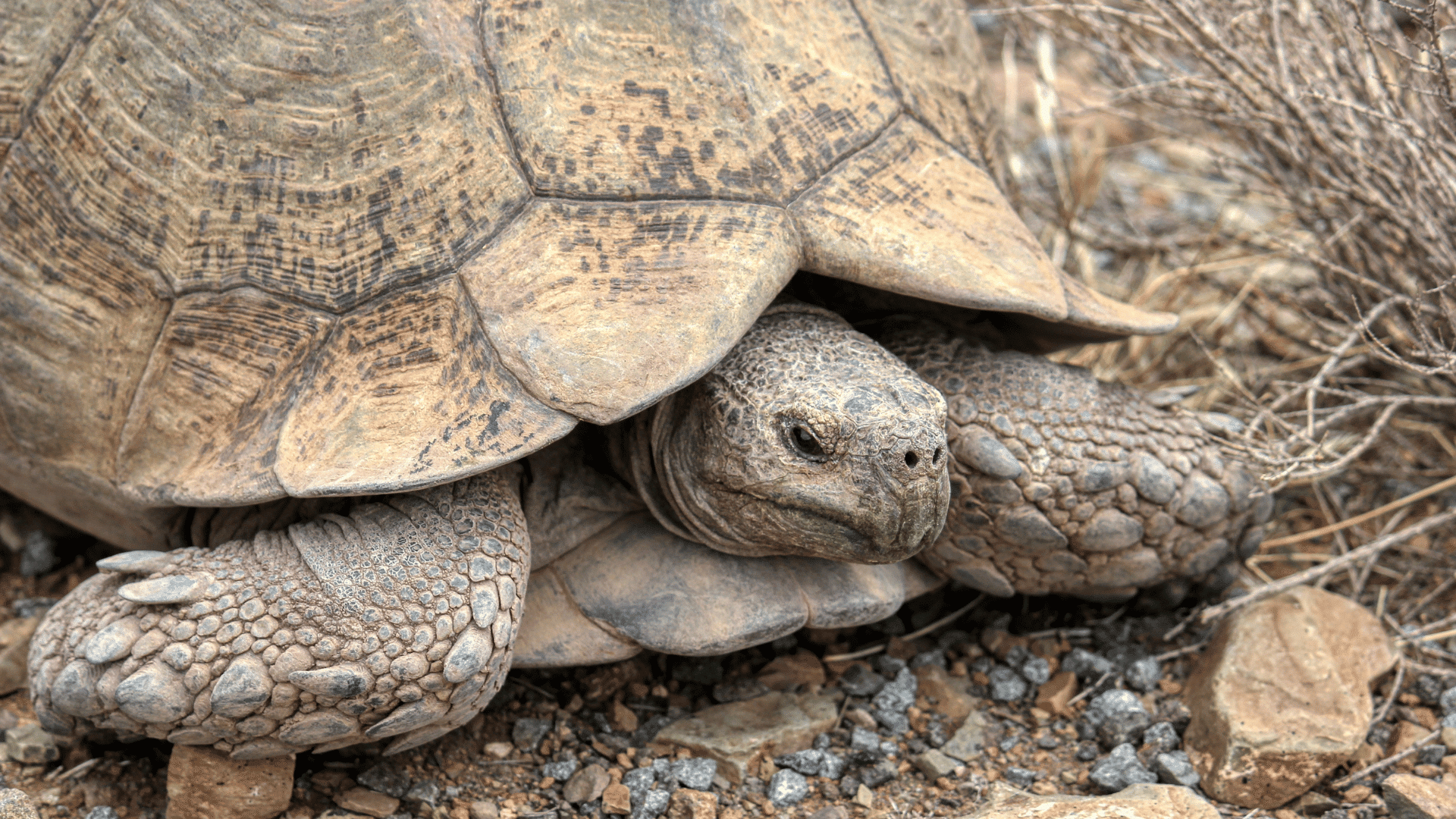
As temperatures rise and daylight hours increase, tortoises begin to wake from hibernation. For keepers, this is a critical time to focus on rehydration, gut recovery, and a gradual return to feeding. Getting this stage right sets the foundation for a healthy and active season ahead.
Prioritise Hydration First
Before introducing food, your tortoise must be fully rehydrated. During hibernation, they lose significant moisture, and dehydration can delay appetite and digestion.
Daily shallow, lukewarm baths are essential in the first few days. Many tortoises will drink and rehydrate during soaking, helping to support kidney function and flush toxins.
Supporting Gut Recovery
Once your tortoise is warmed under proper heat and UVB lighting, their metabolism will begin to increase. Only at this stage should feeding be introduced.
Start slowly — the digestive system has been inactive, so offering small, easily digestible foods allows the gut to restart naturally.
Gentle Reintroduction to Feeding
Begin with fresh, moisture-rich greens to encourage appetite and hydration:
- Dandelion leaves
- Rocket (arugula)
- Lamb’s lettuce
- Other safe, high-fibre weeds
As appetite improves, gradually build variety and return to a balanced, fibre-rich diet. A varied, plant-based diet is essential for tortoise health, supporting digestion and long-term wellbeing.
You can explore suitable options here:
https://www.kbanimalfoods.co.uk/tortoise-diet
Supporting Recovery with Supplements
Post-hibernation is a good time to ensure your tortoise is receiving the right micronutrients to support recovery and overall health.
High-quality prepared diets can also help provide consistent nutrition during this transition. For example, fibre-rich pellet diets designed for herbivorous tortoises support digestive health and provide balanced nutrients.
For species that benefit from occasional additional protein (depending on species and husbandry), suitable insectivore options are available here:
https://www.kbanimalfoods.co.uk/category/73-topinsect-frozen-insects
Provide a Reliable Calcium Source
Calcium plays a vital role in shell strength and overall health. After hibernation, ensure a consistent source is always available:
- Cuttlebone placed in the enclosure
- Calcium supplementation where required
A correct balance of calcium and vitamins (including vitamin D3) is key to maintaining strong bones and shell development.
Monitoring Appetite
Most tortoises will begin eating within several days of waking, once hydration and body temperature are stable.
If your tortoise has not started eating after around a week, or shows signs of lethargy, it is advisable to seek guidance from a reptile specialist.
A successful post-hibernation routine focuses on patience and gradual progression. By prioritising hydration, offering fresh greens, and supporting recovery with the right nutrition and supplementation, your tortoise will return to full strength and feeding in the weeks ahead.